
The Rise of Automatic Transmissions
The transition from manual to automatic transmissions in the automotive industry has been influenced by a series of historical milestones and technological advancements. The first automatic transmission, known as the “Hydramatic,” was introduced by General Motors in 1940. This innovation offered drivers greater convenience by allowing them to operate their vehicles without the need for manual gear shifting. As automobiles became an essential part of daily life, the demand for easier and more user-friendly driving experiences grew.
The increasing adoption of automatic transmissions was significantly influenced by consumer preference. During the latter half of the 20th century, an expanding urban population sought a simpler driving experience, especially in stop-and-go traffic scenarios commonly found in cities. Automatic transmissions became synonymous with comfort and ease, appealing particularly to new drivers, older generations, and those who prioritized convenience over the traditional engagement presented by manual gearboxes.
As automakers responded to these evolving consumer preferences, they began to standardize automatic transmissions across their models. This led to significant advancements in automatic gearbox technology. Modern-day automatic transmissions now feature sophisticated systems such as continuously variable transmissions (CVTs) and dual-clutch transmissions (DCTs), which offer improved fuel efficiency and enhanced driving performance. The seamless shifts provided by these advanced automatic systems have further solidified their appeal, effectively phasing out many manual options from the market.
The culmination of consumer demand for ease-of-use and technological advancements has driven the dominance of automatic transmissions in the automotive landscape. As manufacturers continue to innovate and enhance automatic systems, it becomes increasingly clear why manual transmissions are becoming a rarity in contemporary vehicles.
Changing Driver Preferences
The automotive landscape is rapidly evolving, shaped by changing driver preferences that increasingly favor automatic vehicles over manuals. A significant contributor to this shift is the growing demand for convenience and user-friendliness, particularly among younger drivers who prefer the ease of operation that automatics provide. Studies have shown that newer generations, influenced by urban lifestyles and fast-paced living, gravitate towards vehicles that require less effort to drive. Consequently, this preference ultimately impacts the market dynamics, as manufacturers respond to consumer demand by producing fewer manual options.
Demographics play a crucial role in these evolving preferences. As millennials and Gen Z consumers enter the car-buying market, their priorities emphasize simplicity and technology integration. Features like adaptive cruise control, seamless connectivity, and advanced driver-assistance systems are highly valued, making automatic transmissions more appealing. These groups are less likely to invest time in mastering a manual transmission, as they often balance busy work schedules and social engagements.
Urbanization is another significant trend influencing driver choices. As cities become increasingly congested, driving a manual car can be cumbersome, especially in stop-and-go traffic. Automatic cars offer a smoother and more comfortable driving experience in such conditions, making them more suitable for urban environments. Additionally, the reduction of parking spaces in metropolitan areas means that many residents prefer vehicles that require less active engagement.
Ultimately, the convergence of convenience, lifestyle changes, and demographic shifts continues to steer modern drivers away from manual vehicles. The automotive industry is responding to these preferences accordingly, leading to the gradual disappearance of manuals from mainstream stock. As drivers place greater emphasis on ease of use and efficiency, the popularity of automatic transmission is unlikely to wane, reinforcing a notable trend in consumer behavior.
The automotive industry has undergone a significant transformation in recent years, largely influenced by an array of environmental regulations and safety standards. These measures have compelled manufacturers to shift their focus towards automatic vehicles, which typically excel in meeting these evolving requirements. In essence, the push for higher fuel efficiency and lower emissions has become a crucial factor in vehicle development, especially as governments worldwide adopt more stringent environmental policies.
Automatic transmissions often provide several advantages in fuel economy compared to manual options. For instance, advancements in technology have allowed automatics to optimize gear shifts more efficiently than the average driver with a manual gearbox. This capability contributes to improved fuel efficiency, resulting in vehicles that align with modern emissions standards. As the automotive landscape continues to change, the emphasis on electric and hybrid vehicles has further accelerated this trend, as they predominantly feature automatic transmissions due to their design and functionality.
Moreover, safety standards play a pivotal role in this transition. Modern vehicles incorporate various safety features such as adaptive cruise control, lane-keeping assist, and emergency braking systems, many of which are inherently designed to function optimally with automatic transmissions. Manual cars, while appealing to enthusiasts for their engagement and control, often cannot accommodate these advanced systems with the same level of effectiveness, leading manufacturers to prioritize automatics in their designs.
In summary, the impact of regulations and standards on the automotive sector has heavily favored automatic vehicles. Through a combination of stricter environmental policies aimed at reducing emissions and tougher safety regulations that demand more sophisticated technology, the manual transmission’s prominence is fading. As automakers navigate these challenges, the automatic vehicle remains at the forefront of innovation and consumer acceptance.
Future of Manual Cars: Niche Market or Extinction?
The future of manual cars remains a topic of considerable debate among automotive enthusiasts and industry experts alike. While manual transmission vehicles have traditionally appealed to driving purists, the rise of automatic transmissions and the rapid shift towards electric vehicles (EVs) have led many to speculate whether manuals will transition into a niche market or face potential extinction.
As automatic cars become increasingly sophisticated and efficient, the appeal of manual transmissions appears to be dwindling among the average consumer. The convenience, ease of use, and accessibility of automatic vehicles attract a larger segment of the population, which, in turn, contributes to declining sales of manual cars. However, a dedicated group of enthusiasts continues to champion manual transmissions, viewing them as offering a deeper and more engaging driving experience that automatic cars cannot replicate.
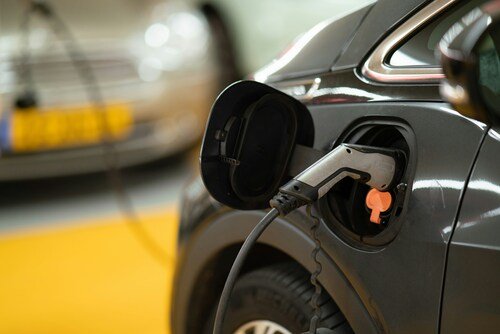
In parallel, the emergence of electric vehicles introduces a new dynamic to the manual versus automatic debate. Most EVs utilize a single-speed transmission, eliminating the need for traditional gear shifting altogether. This development raises the question of whether enthusiasts will adapt their preferences as the automotive landscape evolves. As the market continues to favor electric models, manual cars might find themselves relegated to a niche status primarily embraced by those who appreciate the unique thrill of gear manipulation and the modern driving experience.
Ultimately, the fate of manual vehicles hinges on several factors, including consumer preferences, technological advancements, and the overarching trend toward sustainability. It is plausible that while manual cars may not achieve mainstream acceptance in the future, they could establish a loyal following within a distinct segment of the car market. This shift may foster a community that values the craftsmanship and driving engagement that manual vehicles provide, preserving their legacy even as the industry advances towards automation and electrification.